
How Much Is a Caravan?
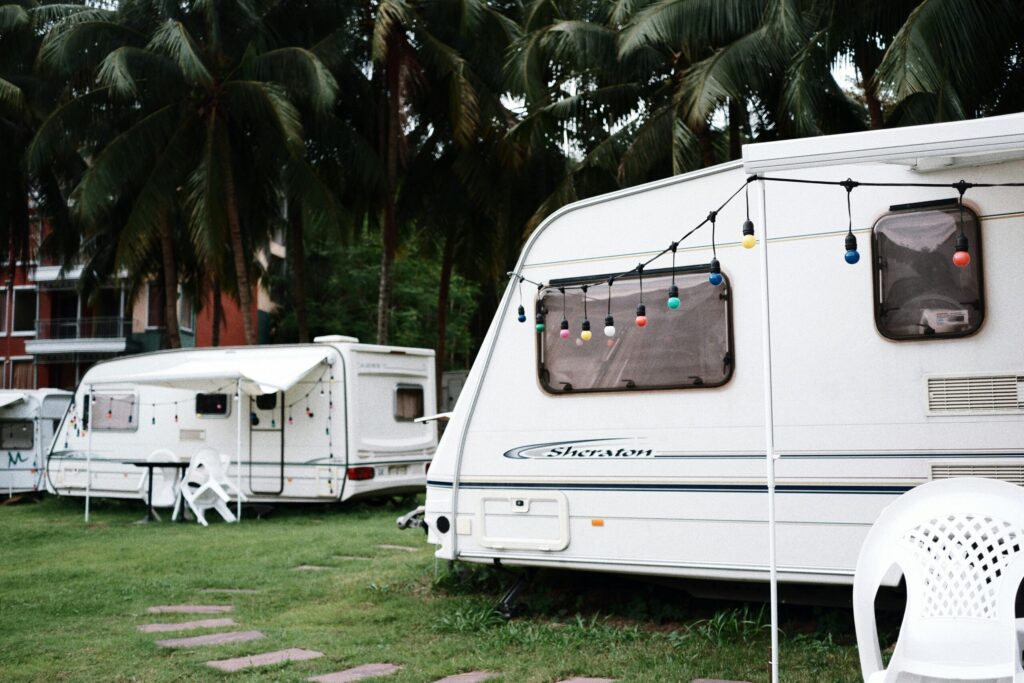
A Complete Guide to Caravan Ownership Costs and Finance
Owning a caravan is one of the most flexible ways to holiday in the UK. You set the schedule, choose the destination and travel at your own pace. Whether that is a long weekend in the Lake District, a fortnight touring the Scottish Highlands or a series of short breaks throughout the year.
For many people, it’s a more cost-effective way to holiday. But before you commit to a purchase, it’s important to understand the full financial picture. The headline price of a caravan is just the starting point. Caravan finance, ongoing running costs, insurance, storage and site fees all contribute to the real monthly cost of ownership.
This guide covers everything: what caravans cost to buy, how caravan finance works, what it actually costs month to month, the ongoing expenses to plan for, how to approach the buying process and what to consider if your credit history is less than perfect. By the end, you should have a clear, realistic view of what caravan ownership looks like, and whether the numbers work for your budget.
How Much Does a Caravan Cost to Buy?
Caravans are towed behind a suitable vehicle and can be taken to hundreds of different locations across the UK and Europe. Prices vary significantly based on age, size and specification, so it’s worth understanding what drives the cost before you start comparing models.
New Caravans
New caravans from established UK manufacturers start at around £15,000 for a compact two-berth and rise to £50,000 or more for a large, well-specified layout. At the lower end of the range, you get a modern, functional specification with a full manufacturer’s warranty, usually two years for the caravan body and longer for specific components such as the chassis. At the higher end, expect larger berths, premium kitchen fittings, fixed island beds, improved insulation and more sophisticated heating systems.
Buying new means you get the latest safety features, a clean service history and the reassurance of a warranty. Depreciation is steepest in the first two to three years, so new caravans can lose value quickly, something to factor in if you think you may want to sell within a few years of purchase.
Used Caravans
The used market opens up ownership to a much wider range of budgets. Used caravans from reputable manufacturers can be found from around £8,000 to £10,000, with mid-range used models typically sitting between £12,000 and £25,000. Prices depend heavily on age, condition and how well the previous owner has maintained the caravan.
When buying a used caravan, a thorough inspection is essential. Key things to check include:
- Damp: Use a damp meter to check the walls, floor and ceiling, particularly around windows, doors and roof lights. Damp is one of the most common and costly issues in used caravans.
- Service history: A full annual service record from an approved workshop indicates the caravan has been properly maintained. Missing years are a red flag.
- Chassis condition: Check for corrosion, particularly on older aluminium chassis. Rust or significant damage here can be expensive to repair.
- Tyres: Caravan tyres should be replaced every five years regardless of tread depth. Check the age markings on the sidewall.
- Habitation check: A recent habitation check (gas, electrics, water and damp) from a qualified engineer gives you a current snapshot of the caravan’s condition.
Caravan finance is available on both new and used caravans, so the question of which to buy is largely one of personal preference and budget rather than finance eligibility.
New or Used: Which Is Right for You?
This is one of the most common questions for first-time buyers, and the answer depends on how you plan to use your caravan, how important reliability is to you and what your monthly budget looks like.
The Case for Buying New
A new caravan gives you a clean slate. There is no history of damp, repairs or neglect to worry about, and you have the full manufacturer’s warranty behind you for the first two years. Modern caravans also benefit from significantly improved insulation compared to models built more than ten years ago, a meaningful difference if you plan to use your caravan outside the peak summer months.
The main drawback is cost. New caravans depreciate quickly, and if you are unsure whether caravanning is right for you, taking on a large finance commitment on a new model carries more risk.
The Case for Buying Used
A well-maintained used caravan from a reputable dealer can be excellent value. The steepest depreciation has already happened, so it can feel like you get more caravan for your money. A 5-year-old caravan from a quality manufacturer, properly serviced and stored, can be just as enjoyable to use as a new one.
The key is buying from a dealer who offers some form of warranty or guarantee and always commissioning an independent habitation check before you complete the purchase. Buying privately carries more risk as there is limited consumer protection if faults emerge after the sale.
Buyers on a finance budget of £200-£300 per month will typically be looking at the used market. Those with a budget of £350+ per month may have access to newer used or entry-level new caravans, depending on deposit and term.
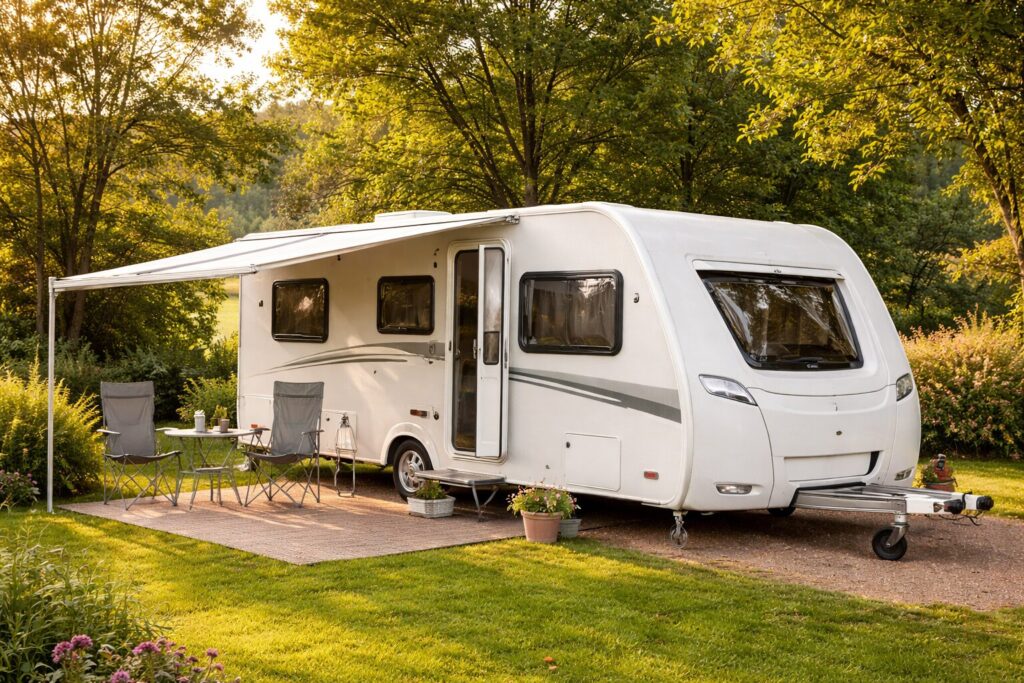
What Affects the Purchase Price of a Caravan?
Several factors push the price up or down. Understanding them helps you make informed comparisons rather than focusing solely on the sticker price.
- Size and berths: Larger caravans with more sleeping space, longer bodies and greater storage capacity cost more. A 2-berth starter caravan is substantially cheaper than a 6-berth family layout.
- Layout: Fixed beds, particularly island beds with access from both sides, are among the most popular features and command a premium. End lounges, separate washrooms and rear kitchens all influence price.
- Manufacturer and model: Established UK brands such as Bailey, Swift, Elddis and Coachman command higher prices, but they also tend to hold their value better and have stronger dealer networks. Lesser-known brands may offer cheaper entry points but can be harder to service and sell.
- Age and condition: Newer caravans depreciate faster in percentage terms, but a well-maintained older caravan can still command a good price. Condition matters more than age for used purchases.
- Specification and extras: Features like solar panels, motor movers, upgraded heating systems and premium upholstery all add to the price. Some buyers prefer to add these after purchase, while others want them as standard.
Choosing the Right Caravan for Your Needs
Before you start comparing prices, it’s worth being clear about how you will actually use your caravan. This shapes which features matter and which are unnecessary spend.
How Many Berths Do You Need?
A berth is a sleeping space. Most caravans are sold as two-berth, four-berth or six-berth models, and some have convertible dinettes that provide additional sleeping areas. For a couple, a two-berth is usually sufficient and offers a more spacious living area. For families, a four or six-berth provides the sleeping space needed to live comfortably.
Layout Priorities
The most common layouts include:
- Fixed rear island bed: Popular with couples for ease of access and comfort. Tends to reduce rear storage space, but is consistently one of the most sought-after features on the used market.
- Fixed bunk beds: Ideal for families with young children. Frees up the main living area, but means the bunk area is always a bedroom rather than a flexible space.
- End lounge: Provides a generous seating area at the rear. Popular for those who spend a lot of time in the caravan during the day. The lounge converts to a bed, which some find less convenient than a fixed sleeping arrangement.
- Transverse bed: A bed running across the width of the caravan rather than along its length. Common in mid-range models and offers a good compromise between sleeping comfort and daytime living space.
Think about how you will use the caravan day-to-day, not just how you will sleep in it. If you spend a lot of time at the site rather than out exploring, a comfortable lounge area may matter more than a fixed bed. If you do long touring trips and value a quick morning setup, a fixed bed becomes more important.
Resale Value
If you think you may sell your caravan within five years, choose a layout and manufacturer that holds its value well. Fixed island beds, well-known brands and a full service history all help at resale. Unusual layouts or obscure manufacturers can make a caravan harder to sell, even at a lower price.
How Caravan Finance Works
Caravan finance allows you to spread the cost of your purchase over a set term rather than paying for it outright. For most buyers, this is the practical route to ownership. A caravan costing £20,000 or more is a significant upfront commitment, and finance makes it accessible without requiring large savings.
Hire Purchase Explained
The most common type of caravan finance in the UK is hire purchase (HP). Under a hire purchase agreement, a lender pays the dealer for the caravan on your behalf. You then repay the lender in fixed monthly instalments over an agreed term, typically between two and fifteen years. Once all payments have been made, including any final option-to-purchase fee, the caravan becomes yours outright. This type of finance is simple and perfect for the leisure vehicle finance market. You know exactly what you are paying each month, the rate is fixed for the life of the agreement, and there are no mileage restrictions or balloon payments at the end.
What Affects Your Monthly Payment?
Four variables determine your monthly finance payment:
- Price: The more you pay for the caravan, the more you borrow and therefore the higher the monthly payment, all else being equal.
- Deposit: A larger deposit reduces the amount you need to borrow. This lowers your monthly payment and, in many cases, the total interest you pay over the life of the agreement. Auto Finance Online offers zero deposit options, but putting one down where possible is advisable and financially beneficial.
- Term: Spreading the loan over a longer term reduces the monthly payment but increases the total interest. A shorter term costs more each month but less overall. Most buyers balance terms against what they can comfortably afford monthly. We offer loan terms up to 15 years, depending on your situation.
- APR: Your Annual Percentage Rate reflects the total cost of borrowing. This is affected by the lender’s assessment of your credit risk. A good credit profile will generally get a lower APR; a poor profile will get a higher rate. Finance is subject to status and approval.
A Real-World Cost Example
To make these figures more real, here’s an example:
Example purchase:
- Caravan price £20,000.
- Deposit £2,000.
- Amount borrowed £18,000.
- Term 7 years.
- Representative APR 10.9%.
Monthly payment: Approximately £308 per month. Total amount repayable is approximately £25,870. Total cost of credit is approximately £7,870.
Add to this the ongoing monthly costs below, such as insurance, storage and servicing and a realistic all-in monthly ownership figure for this example would be in the region of £380 to £430 per month, before campsite fees.
These are illustrative figures. Your actual payment will depend on the specific terms of your agreement. Finance is subject to status and approval.
What Monthly Budget Gets You
£150 – £250/month (finance only): Typically covers older or lower-value used caravans over a longer term. Suitable for occasional users. Allow extra headroom for maintenance.
£250 – £400/month (finance only): Newer used caravans with better reliability and more modern layouts. Practical for regular travellers.
£400+/month (finance only): New caravans or higher-specification models with manufacturer warranty cover. Suitable for frequent users who want a modern, low-maintenance setup.
Ongoing Costs of Caravan Ownership
Your finance payment is one line in the monthly budget. The following costs sit alongside it throughout the life of ownership.
Caravan Insurance
Caravan insurance is essential and, if you have a finance agreement in place, your lender will require you to hold comprehensive cover throughout the term. A good policy covers theft, accidental damage, fire, storm damage and liability to third parties.
When comparing policies, there are two main valuation approaches:
Agreed value: The insurer pays an agreed sum if the caravan is written off, regardless of depreciation at the time of the claim. This is better for newer or more valuable caravans.
Market value: The insurer pays what the caravan was worth at the time of the claim, which may be significantly less than you paid for it. More common in standard policies and more appropriate for older, lower-value caravans.
Annual premiums typically range from £150 to £400, depending on the caravan’s value, how it is stored, and whether it is used in Europe as well as the UK. Storing your caravan at an approved Caravan Storage Site Owners’ Association (CaSSOA) gold or silver-rated site can reduce your premium.
Annual Servicing
Caravans should be professionally serviced once a year by a qualified engineer to check the gas system, electrical system, chassis, bodywork and damp levels. A standard annual service costs between £100 and £200, though additional work like replacing gas hoses, fixing minor damp ingress or replacing tyres will add to this figure. Setting aside £200 to £350 per year for servicing and minor maintenance is a reasonable working assumption for most caravans.
Storage
Unless you have a suitable driveway or secure space at home, off-site storage is a fixed cost regardless of how often you use your caravan. Dedicated caravan storage facilities charge between £400 and £900 per year for outdoor storage, with covered or indoor storage at the higher end. CaSSOA-rated sites offer better security and may positively affect your insurance premium, so it’s worth comparing the combined cost of storage and insurance across different options rather than looking at storage in isolation.
Campsite and Touring Park Fees
Every time you use your caravan, you’ll pay a pitch fee. These vary greatly. Basic Caravan and Motorhome Club or Camping and Caravanning Club sites typically charge between £20 and £35 per night for a standard pitch with electric hookup. Premium parks with swimming pools, entertainment and full facilities can charge £40 to £60 or more per night in peak season.
Club membership is worth considering if you’re a regular user. Both the Caravan and Motorhome Club and the Camping and Caravanning Club offer member discounts on pitch fees across their site networks, access to members-only sites and additional benefits for people new to caravanning, including training courses and technical advice.
Fuel Costs
Towing a caravan increases your vehicle’s fuel consumption by around 20% to 30% compared to an unladen journey. On a long trip, this is a significant addition to your costs. At current fuel prices, a 200-mile round trip that might cost £30 unladen could cost £37 to £39 while towing, so it’s worth factoring into your holiday budget, especially for frequent long-distance trips.
Optional Extras and Upgrades
Most owners personalise or upgrade their caravan over time. While none of these is essential, they can make a big difference to usability and comfort:
Motor mover: An electrically powered device that lets you move the caravan on a pitch without the towing vehicle. Useful on tight or sloping pitches. Costs £600 to £1,200 fitted.
Drive-away awning: Extends your living space and provides a sheltered area for outdoor seating or storage. Drive-away models let you detach the car and go exploring without dismantling the whole setup. Prices range from £300 to over £1,000 depending on size and quality.
Solar panel: Trickle-charges the leisure battery when the caravan is in storage or on pitches without electric hookup. A 100W panel with a charge controller costs around £150 to £300 fitted and can extend how long you can use the caravan off-grid.
Upgraded heating: Truma and Alde systems are popular upgrades that improve warmth and efficiency, especially in winter or shoulder-season use. Costs vary widely depending on the system and installation.
Some buyers arrange accessories as part of their initial finance package, spreading the cost of essentials like a motor mover into the monthly payment rather than finding the money separately.
First-Time Buyer’s Checklist
If you’re buying your first caravan, it can all seem a bit overwhelming. Here’s a step-by-step guide from start to finish.
Step 1- Set your total monthly budget: Start with what you can afford overall, not just the finance payment. Work back from that to find a realistic price range.
Step 2 – New or used: Based on your budget and risk appetite. If you’re new to caravanning, a well-maintained used caravan from a reputable dealer is often the sensible starting point.
Step 3- Check your towing capacity: Check your vehicle’s maximum towing weight and apply the 85% rule to set a limit on the caravan’s MTPLM. This will quickly narrow down the options for you.
Step 4- Research models: Use manufacturer websites, caravan review sites and the Caravan and Motorhome Club’s resources to compare layouts and specs within your budget.
Step 5- Arrange finance in principle: Get a decision in principle from a caravan finance broker before you start viewing, so you have a clear budget and can negotiate with the dealer.
Step 6- View and inspect: Never buy a used caravan without viewing in person and ideally a habitation check. Take someone with caravan experience if you’re unsure what to look for.
Step 7- Negotiate and complete: Once you’re happy with the caravan and finance, your broker will handle the paperwork with the dealer. Funds are usually transferred to the dealer the same day or next working day.
Step 8- Insurance and storage: Get cover in place before you drive away. Storage should be arranged in advance if you don’t have space at home.
If you need any more information when it comes to buying your first caravan on finance, you can use our finance calculator to get a quick quote, or you can contact us on 01625 460454 and a member of our specialist team will be happy to answer any questions you have.
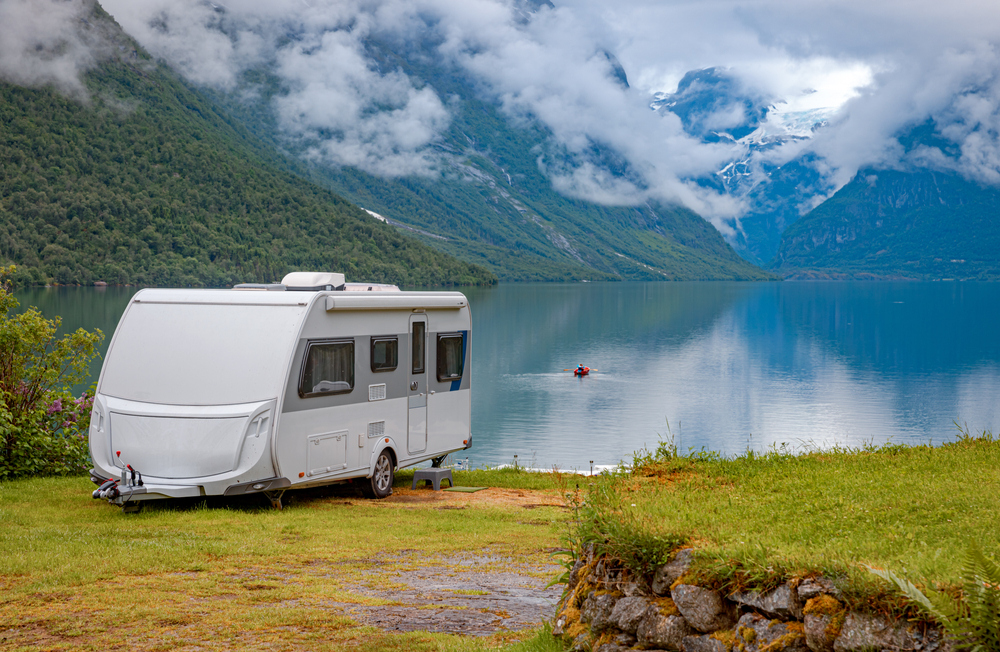
How Much Does Caravan Ownership Really Cost Per Month?
Finance and all ongoing costs combined give you a true picture of ownership across different budget levels. These are illustrative and based on typical market conditions.
Lower budget (£200–£350/month all-in): Used caravan financed over a longer term, basic insurance, outdoor storage and occasional use. Suitable for a couple taking 2-3 trips per year.
Mid-range (£350–£550/month all-in): Newer used caravan, comprehensive insurance, secure storage and weekend use throughout the season.
Higher spend (£800+/month all-in): New or premium caravan, full insurance, covered storage and frequent travel throughout the year.
Campsite fees and fuel will add to these figures and vary with usage. A couple taking 6 weekend breaks and 1 longer trip per year might spend £1,200 to £2,000 on pitch fees annually, depending on where they go and if they are club members.
Is Caravan Ownership Worth the Outlay?
For frequent travellers, the numbers stack up against booking accommodation. A family taking 4 UK holidays per year in a rented cottage or hotel could easily spend in excess of £4,000 per year on accommodation alone. The same holidays taken in a well-equipped caravan, including all ownership costs, can cost a lot less per trip with the added bonus of travelling on your own terms.
The maths gets better the more you use the caravan. The fixed costs, finance, insurance and storage, are the same whether you go away once or 20 times a year. The variable costs, such as pitch fees and fuel, scale with use but are modest compared to equivalent accommodation. The more you travel, the better the return on your investment.
Caravan ownership isn’t for everyone. If you go away once a year and that trip varies significantly in location and style, hiring may be better for you than owning. But if you holiday regularly in the UK, value flexibility and want a consistent standard of accommodation wherever you go, owning a caravan offers real long-term value.
Ready to Get Caravan Finance?
Whether you’re buying your first caravan or upgrading to a newer model, getting the right finance in place makes all the difference. Auto Finance Online will work across a wide panel of lenders to find an agreement that suits your circumstances, even if your credit history is less than perfect.
Use our caravan finance calculator to get an indicative monthly payment based on your budget, or apply online today for a decision in principle. There’s no impact on your credit score to get a quote, and our team will handle everything from matching you with the right lender to liaising with the dealer on your behalf.
Finance is subject to status and approval. Representative APR 10.9%.
The figures above are illustrative and based on a representative APR. The rate you are offered, along with your monthly payments and total cost of credit, will depend on your individual circumstances and credit profile. Finance is subject to status and approval.
Get a Quote
Cash price £25,000, deposit £0, total amount of credit £25,000, term 8 years, 96 monthly payments of £384.53, on a hire purchase agreement, option to purchase fee £1, total amount payable £36,915.88, representative APR 10.9%, rate of interest 10.9% fixed.
Rates may differ as they are dependent on individual circumstances. Subject to status.
Auto Finance Online Ltd is a credit broker, not a lender.