
How Your Credit Score Affects Your Chances of Securing Caravan Finance
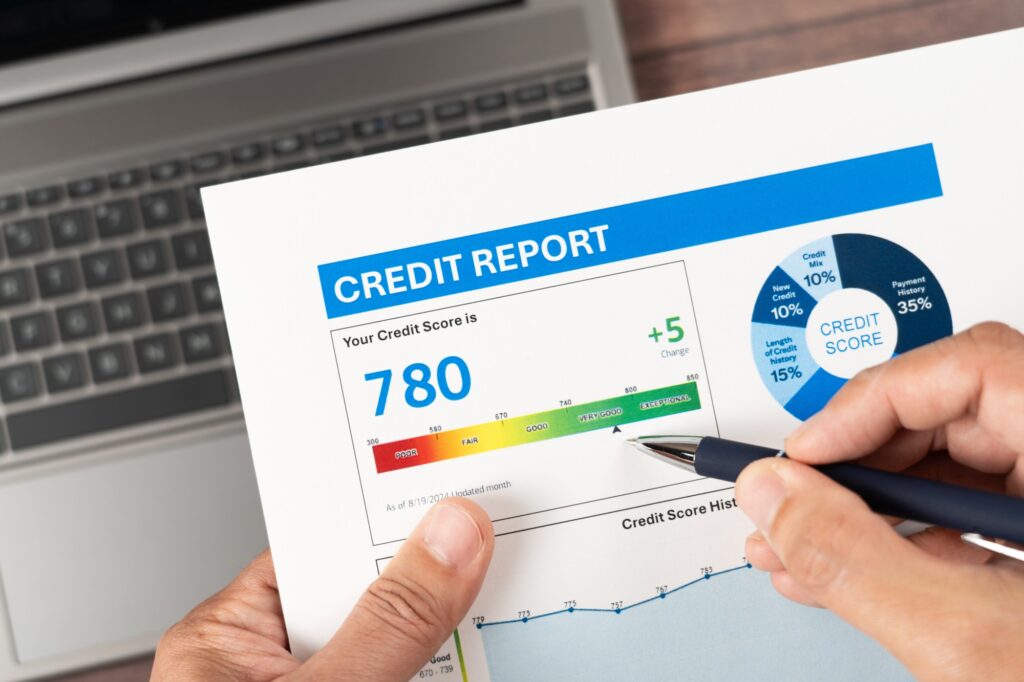
Understanding caravan finance and why credit matters
For many people, buying a caravan is a considered decision rather than a quick purchase. It often means a change of priorities, more time to travel, more flexibility in leisure time, or more practical use of later working years or retirement. As with most big purchases, finance is used to spread the cost, and one of the vital factors that will affect how easy that is and what options are available is your credit profile.
What a credit score actually means
A credit score is often the starting point, but it’s not always fully understood. In simple terms, it’s a numerical summary of your credit history built from your credit report. That report shows how you’ve managed credit over time, loans, credit cards and other financial commitments.
In the UK, there are three main credit reference agencies: Experian, Equifax and TransUnion. Each holds its own data and produces its own version of your credit score. So the number you see can vary depending on where you check it.
What your credit report will show is a combination of past and present financial behaviour. This includes whether you’ve made payments on time, how much you owe, how long you’ve had credit accounts, and whether there have been any issues like defaults or County Court Judgments(CCJ’s). It also shows practical details like whether you’re on the electoral roll at your current address.
How credit scores are calculated
A credit score builds up over time. A consistent history of making payments and managing credit sensibly tends to result in a stronger profile. Where there have been disruptions such as missed payments or higher levels of debt, the profile may be seen as higher risk by lenders.
Although credit scores are presented as a single figure, they are calculated using a range of factors. Repayment history is one of the most important and on time payments show reliability, whereas missed payments can have a negative impact quickly. These records can stay on your report for several years so even older issues may still be visible to lenders.
Another key factor is how much of your available credit you’re using. This is often referred to as credit utilisation and if a large proportion of your available credit is being used consistently, it may suggest your finances are under pressure. Lower utilisation can indicate borrowing is being managed more comfortably. The length of your credit history also plays a part. Longer-standing accounts give lenders more to work with and can help demonstrate stability, especially if those accounts have been managed well. Newer or shorter histories are not necessarily bad but provide less evidence to work from.
To put this into context, consider a simple example. One applicant may have an Experian credit score of 880, reflecting a long history of on-time payments, low credit card balances, and only occasional credit applications. Another applicant may have a score of 620, where there have been a few missed payments in the past two years and higher use of available credit.
Both applicants may still be considered for caravan finance, but the first is more likely to be offered more lenders and better rates. The second may still be approved, but the lender may apply more caution, which could affect the terms offered.
It’s also worth considering how a credit score can improve over time. For example, an applicant who previously had a score of 580 due to missed payments and high credit usage may take steps to stabilise their finances. Over a period of 12 to 18 months, they consistently make payments on time, reduce outstanding balances and avoid unnecessary credit applications. As a result, their score could improve and show a higher score than 580.
In this situation, the same applicant who may have previously struggled to get finance could find more options available. While their earlier credit history doesn’t disappear entirely, the recent pattern of good behaviour can carry more weight with some lenders.

Why credit score matter for caravan finance
When it comes to caravan finance, these factors become more important. Lending for leisure vehicles is considered discretionary, so lenders may apply more caution than with essential borrowing. As a result, your credit profile can have a larger impact on both approval and terms.
A good credit profile can make finance more straightforward. It may open up more lenders and increase the chance of being offered better rates. Over the term of a finance agreement, even a small difference in rate can add up to the total amount repaid.
Where credit history is more complex, finance may still be available but with some adjustments, including a higher interest rate, a request for a deposit or more detailed affordability checks. These are not unusual and are just how lenders manage risk, not an outright refusal to lend.
Your score vs lender decisioning
It is important to remember that the score you see is not the same as the score a lender uses internally. Each lender has its own way of assessing applications. They all use the same data but may prioritise different parts of your credit history, with some focusing more on recent behaviour, and others on a longer-term view.
This is why outcomes can vary between lenders. An application declined in one place may be accepted elsewhere depending on how the information is interpreted. It’s also why applying to multiple lenders in quick succession can be counterproductive, as each application leaves a record on your report.
Affordability and financial stability
Beyond credit history, lenders will look at affordability. This is a separate but equally important part of the process. It’s about whether the repayments are sustainable based on your income and existing financial commitments.
For many people, especially those in their 40s, 50s and beyond, finances are more established but also more complex. Mortgage payments, pension contributions or supporting family members may all be part of the picture. So lenders take these into account to ensure any borrowing is manageable.
A stable financial position can sometimes balance a less than perfect credit history. For example, a consistent income and controlled outgoings may provide reassurance that repayments can be made. Equally, a strong credit score on its own is unlikely to result in approval if affordability is not clear.
Common credit issues and their impact
Most credit reports have some form of imperfection. Missed payments are relatively common and are usually considered in context. An isolated issue from several years ago is unlikely to carry the same weight as repeated or recent missed payments.
More serious issues, such as defaults or County Court Judgments, are likely to have more of an impact, but they’re not always a barrier; timing and circumstances should be considered. Older issues that have since been resolved may be viewed more favourably than recent ones that are still outstanding.
There are also situations where having little or no credit history can make an application more difficult. Without a track record, lenders have less to go on. In these cases, even a small amount of well-managed credit can help build a more complete profile over time.
How to improve your credit profile before applying
If you are looking at purchasing a new or used caravan on finance, it’s worth reviewing your credit position before you apply. This doesn’t have to be complicated, but it does require consistency. Checking your credit reports for accuracy is a good starting point, as incorrect or outdated information can affect your score.
Making consistent payments on time is one of the most effective ways to improve your profile quickly, and reducing any outstanding balances, especially on credit cards, can also have a positive impact. These changes may seem small, but they add up to a more stable overall picture, which is what lenders will want to see.
It’s generally best to avoid making multiple credit applications in a short space of time. Each application is recorded and can temporarily reduce your score. Spacing out applications and being selective about when you apply can help avoid unnecessary impact. Using a broker like Auto Finance Online can make the process simple by reaching out to a wide panel of lenders to find the best suited to your current situation.
For those with limited credit history, using a small amount of credit and repaying it in full each month can help establish a track record. This is often more effective than avoiding credit altogether, as it provides evidence of responsible use.
Timing your caravan finance application
Timing can also play a part in the outcome of a finance application. Improvements to your credit profile may take time to show on your report, so allowing some time for changes to take effect can be beneficial. At the same time, practical considerations often dictate when you need to proceed, especially if you are looking to purchase around a specific time of year.
The role of deposits in caravan finance
A deposit can play a part in how an application is assessed. While not always required, it reduces the amount being borrowed and shows financial commitment. For some applicants, especially those with more complex credit histories, this can improve the overall profile presented to a lender.
But be careful with this. Using a deposit shouldn’t leave you financially exposed. Having a buffer for unexpected expenses is still an important part of responsible borrowing.

How Auto Finance Online can help
Navigating all these factors can be confusing, especially if your credit history is not straightforward. This is where a broker can help. Auto Finance Online works with a panel of lenders, each with different criteria and areas of focus.
Rather than applying to lenders individually, your application can be considered more broadly, which may increase the chances of finding a suitable option. This can also reduce the need for multiple applications and help protect your credit profile during the process. We can’t guarantee an outcome, but we can give you a better idea of what’s available based on your situation. For many applicants, this will make the process more manageable and less confusing.
Balancing it all out
So your credit score should be seen as part of the bigger financial picture, not the only deciding factor. Lenders are ultimately assessing whether borrowing is affordable and sustainable, and your credit history is just one of the tools they use to make that decision.
A good credit profile can improve your options and reduce the cost of finance. Where there are challenges, there may still be ways to get finance, especially with a considered approach and the right support.
Understanding how your credit profile works and taking small steps to improve it where you can will put you in a better position when looking at finance for your next caravan.
If you need to find out any more information on how your credit score can affect your finance chances, be sure to contact us today, and a member of our dedicated team will provide you with all the information you need.
Frequently Asked Questions
Not necessarily. A lower credit score can make approval less straightforward, but it does not automatically result in a decline. Lenders assess applications using a range of factors, including affordability, income stability, and overall financial position. Some lenders are more flexible than others, particularly where credit issues are older or have been resolved. Using a broker such as Auto Finance Online may help match you with lenders who are more suited to your circumstances.
There is no fixed minimum credit score required for caravan finance. Each lender uses its own criteria and internal scoring system, which means outcomes can vary. A higher credit score may improve your chances of approval and access to more competitive rates, but applications with fair or lower scores may still be considered depending on the wider financial picture.
A full finance application usually involves a hard credit search, which is recorded on your credit file and may have a small, temporary impact on your score. Multiple applications within a short period can have a greater effect. In some cases, brokers such as Auto Finance Online may be able to carry out an initial assessment or soft search, which does not impact your credit score, before proceeding with a full application.
Improving a credit score is usually a gradual process rather than a quick fix. Small changes, such as making payments on time and reducing outstanding balances, can begin to have an effect within a few months. More significant improvements, particularly after past credit issues, may take 12 months or longer. Lenders often place more weight on recent financial behaviour, so consistent improvement over time can strengthen an application.
It may still be possible, although options could be more limited. Lenders will usually consider factors such as how recent the issue is, whether it has been satisfied, and your financial behaviour since then. Older or resolved issues are generally viewed more favourably than recent or ongoing ones. In these situations, a larger deposit or strong affordability may help support an application, and a broker can assist in identifying suitable lenders.
Get a Quote
Cash price £25,000, deposit £0, total amount of credit £25,000, term 8 years, 96 monthly payments of £384.53, on a hire purchase agreement, option to purchase fee £1, total amount payable £36,915.88, representative APR 10.9%, rate of interest 10.9% fixed.
Rates may differ as they are dependent on individual circumstances. Subject to status.
Auto Finance Online Ltd is a credit broker, not a lender.